How a Gazebo Adds the Backyard Gathering Space Your Home Was Missing in Shippensburg, PA
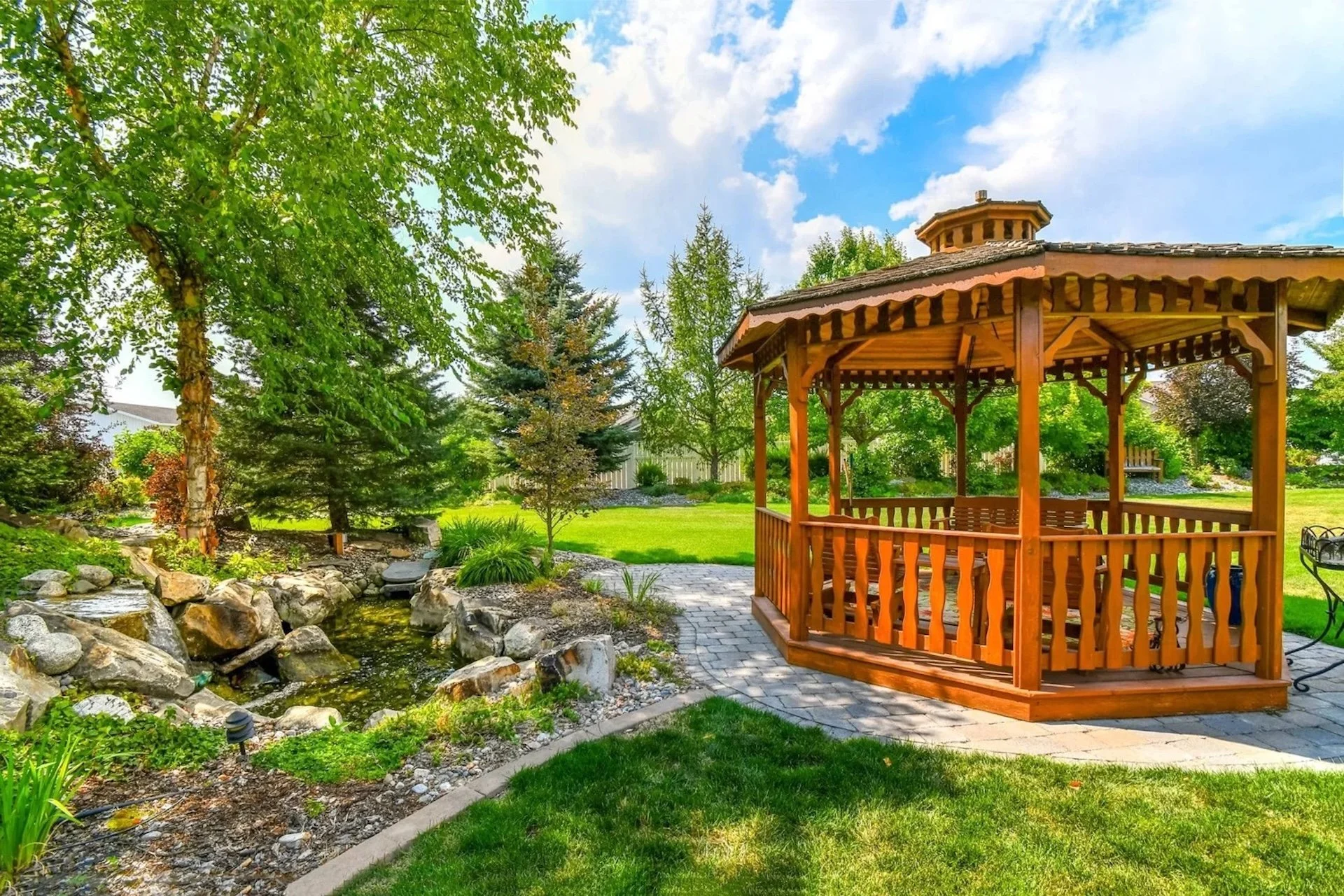
There is a difference between a backyard that has features and a backyard that has a place to be. A patio gives you a surface. A fire pit gives you warmth. But a gazebo gives you a room. An actual, defined, sheltered space within the landscape where the ceiling is overhead, the views are open, and the feeling is entirely different from sitting on an uncovered patio with nothing between you and the sky.
In Shippensburg, Carlisle, Mechanicsburg, Camp Hill, and across Franklin and Cumberland counties, where the summers are warm and humid and the shoulder seasons are unpredictable, a gazebo extends the usability of the outdoor space in ways that open air features cannot.
Related: Why a Gazebo and Outdoor Lighting in Schlusser, PA, Work Best When Designed Together
What a Gazebo Adds That Other Structures Do Not
A pergola filters light. A pavilion provides full coverage. A gazebo does something in between, and it does it with a form that stands on its own as an architectural element in the landscape.
A well designed gazebo provides:
A fully roofed structure with open sides that allows airflow while blocking rain, direct sun, and light wind
A freestanding footprint that can be positioned anywhere on the property, independent of the house, creating a destination within the yard rather than an extension of the patio
A visual anchor for the landscape that draws the eye and gives the backyard a focal point that reads from every angle
A versatile interior that can support seating, dining, a hot tub, or even a small outdoor bar depending on the size and the configuration
That combination of shelter, independence, and architectural presence is what makes a gazebo different from every other outdoor structure. It is not attached to the house. It does not need to be adjacent to the patio. It can sit at the edge of the property, in a garden, beside a pond, or at the highest point of the yard where the views are best.
Related: Shining Light on Shade Gardens—Big or Small
Why the Build Quality Has to Match the Climate
Central Pennsylvania delivers four genuine seasons. Summer heat and humidity. Fall rain and wind. Winter snow loads and freeze thaw cycles. Spring moisture that saturates the ground and tests every foundation and every connection in every structure on the property.
A gazebo that is built for this climate needs footings below the frost line, framing rated for the snow load, roofing materials that handle ice and UV, and hardware that resists corrosion through years of moisture exposure. The materials can range from wood to vinyl to engineered composites depending on the homeowner's style preference and maintenance tolerance, but the structural engineering needs to account for what Pennsylvania's weather delivers regardless of what the gazebo is made of.
The Space That Changes How the Backyard Feels
A gazebo does not just add square footage. It adds character. It changes the way people move through the yard. It creates a reason to walk across the lawn. And it gives the family a place that feels special, distinct from the patio, distinct from the house, and entirely its own.
If your backyard has been feeling like it needs something but you have not been able to name what it is, a gazebo might be the answer. Not more surface. Not more features. A place.
Related: Landscapers That Make Backyards More Inviting in Camp Hill & Mechanicsburg, PA
About the Author
Burnell Weaver founded Weavers Landscape Company in Shippensburg, PA and has spent nearly three decades designing and building outdoor living spaces across central Pennsylvania. Every article in our Knowledge Center draws on hands-on experience from real residential projects, from patios and plantings to full backyard transformations.